A hand gently touching a soft, textured fabric surface

The 6 Carpet Flooring Trends for 2025

1. Soft and Velvety Carpets

Soft carpets are popular because they feel cozy. High-pile styles like Saxony and velvet are great for bedrooms and living rooms, offering comfort and style.
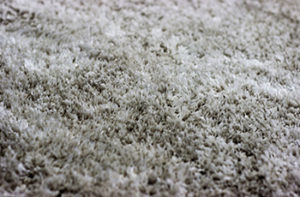
What's the Difference Between Plush & Textured Carpet?

2. Nature Colors for Carpets

Colors like green, terracotta, and sand are in style. They bring a calm feeling and go well with natural materials.

The color palette for Only Natural carpet style from Tuftex | Decore in ...

3. Patterned and Bold Carpets

Bold patterns like geometric and abstract designs are trendy in 2025. They add personality and serve as focal points in a room.
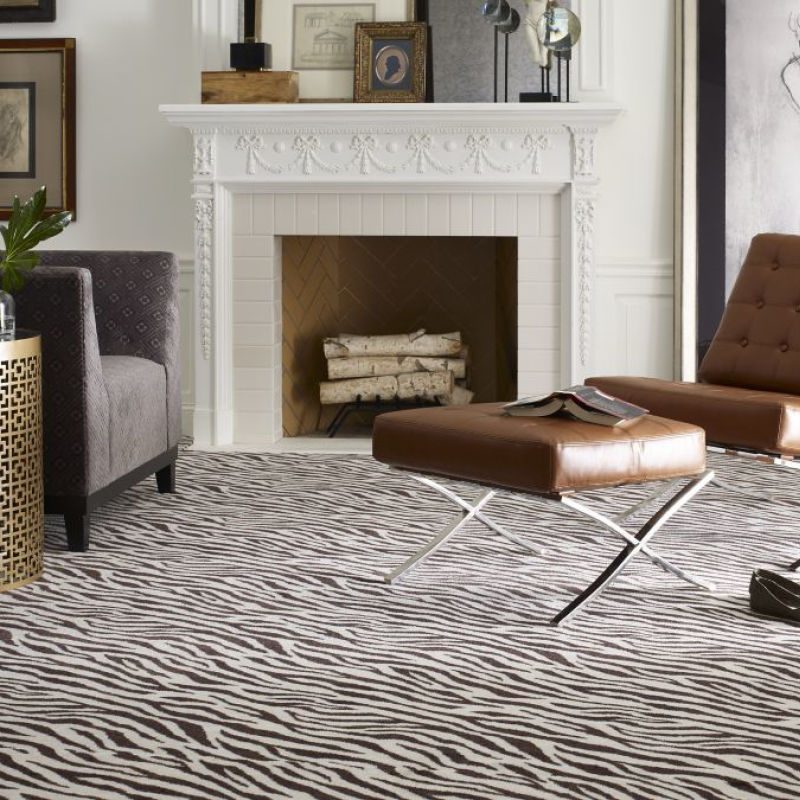
Zebra Print Carpet | Fluffy Carpets

4. Durable Pet- and Kid-Friendly Carpets

Strong carpets that can handle pets and kids are important. They resist stains and are easy to clean, lasting a long time.

Snmaster Carpet Pet Friendly - Carpet Vidalondon

5. Eco-Friendly and Recycled Carpets

Eco-friendly carpets from recycled materials are popular. They are good for the environment and still look stylish.

Sustainable Carpet Options: Embrace Eco-Friendly Living - De Hygienique

6. Smooth Carpet Transitions

Carpets that transition smoothly between rooms create a unified look. Consistent textures and colors enhance the home’s design flow.
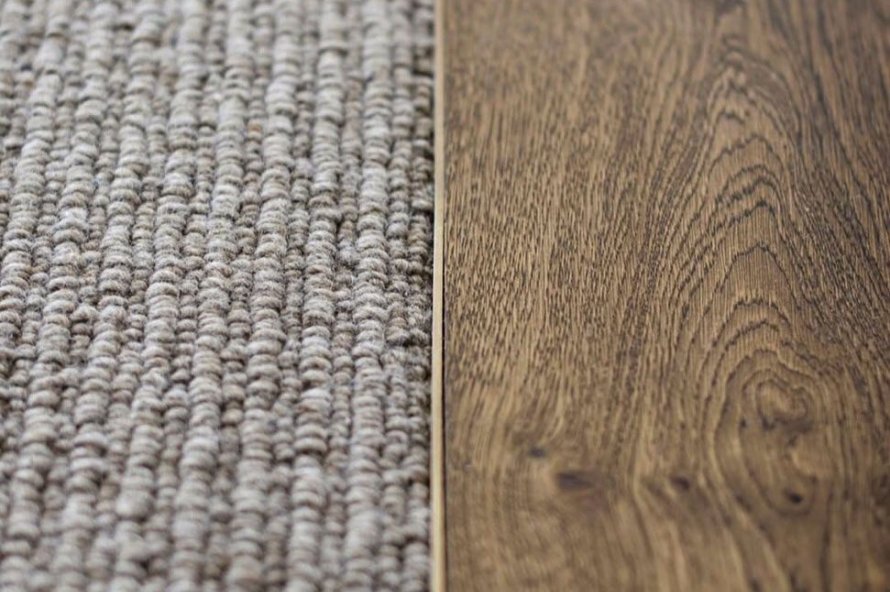
Stylish Wood Flooring Transitions for 2022 | Forté - NZ

Carpet Fiber Types Explained (Pros & Cons)

Choosing the right carpet fiber is very important, just like picking the style or color. Each type has its own good points — like being luxurious, strong, stain-resistant, or eco-friendly. Here’s what you should know about common fibers in 2025:

Nylon

Nylon is a popular synthetic fiber known for being strong and bouncing back from foot traffic. It’s great for busy areas like hallways and living rooms. It handles stains well when treated.

Polyester

Polyester is soft and affordable, perfect for bedrooms or guest rooms. It has bright color options and is naturally resistant to stains, but may flatten quicker than nylon in busy spaces.

Wool

Wool is a top natural carpet fiber — very soft, very strong, and naturally resistant to stains and fire. It’s ideal for formal spaces but costs more and needs more care.

Triexta

Triexta is a newer fiber combining softness and strength, great for families with kids or pets. It fights stains without chemicals and holds up under heavy use.

Olefin (Polypropylene)

Olefin resists moisture and mildew, making it good for basements or low-humidity spaces. It’s less strong than other fibers, best for low-traffic areas.

Quick Comparison: Carpet Fibers at a Glance

Fiber TypeBest ForSoftnessStain ResistanceDurabilityAvg. Cost (per sq ft)
NylonHigh-traffic areas★★★★☆★★★★☆★★★★★$2 – $6
PolyesterBedrooms, guest rooms★★★★★★★★★☆★★☆☆☆$1.50 – $4
WoolLuxury living areas★★★★★★★★☆☆ (natural)★★★★★$5 – $12
TriextaKids’ rooms, family areas★★★★☆★★★★★★★★★☆$3 – $6
OlefinBasements, utility rooms★★☆☆☆★★★☆☆★★☆☆☆$1 – $3

Best Carpet Styles by Room

Choosing the best carpet for your home depends on the room’s use, how much it’s walked on, and your design style. Match the carpet to each room for comfort, strength, and looks.

Bedrooms (Luxury and Comfort)

In bedrooms, soft comfort is key. Pick high-pile or velvety Saxony carpets for a soft feel that makes mornings nicer. Neutral or nature-inspired colors make the room cozy and relaxing.
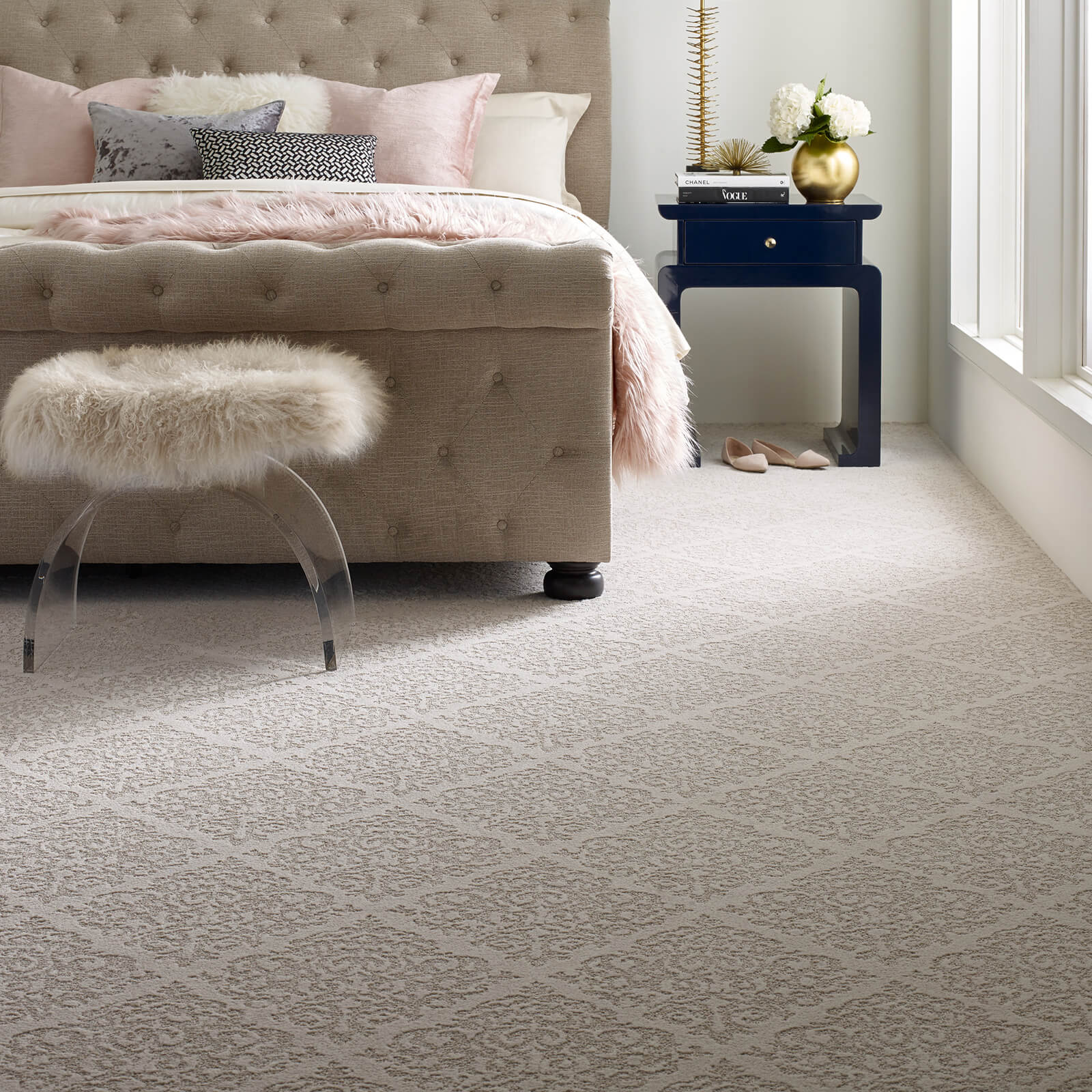
Carpet For Bedrooms 2025 - Maye Hildagarde

Living Rooms (Style + Durability)

Living rooms need tough carpets that also look good. Nylon or triexta fibers with textures or patterns hide footprints and wear. Looped or cut-loop styles add depth and interest.
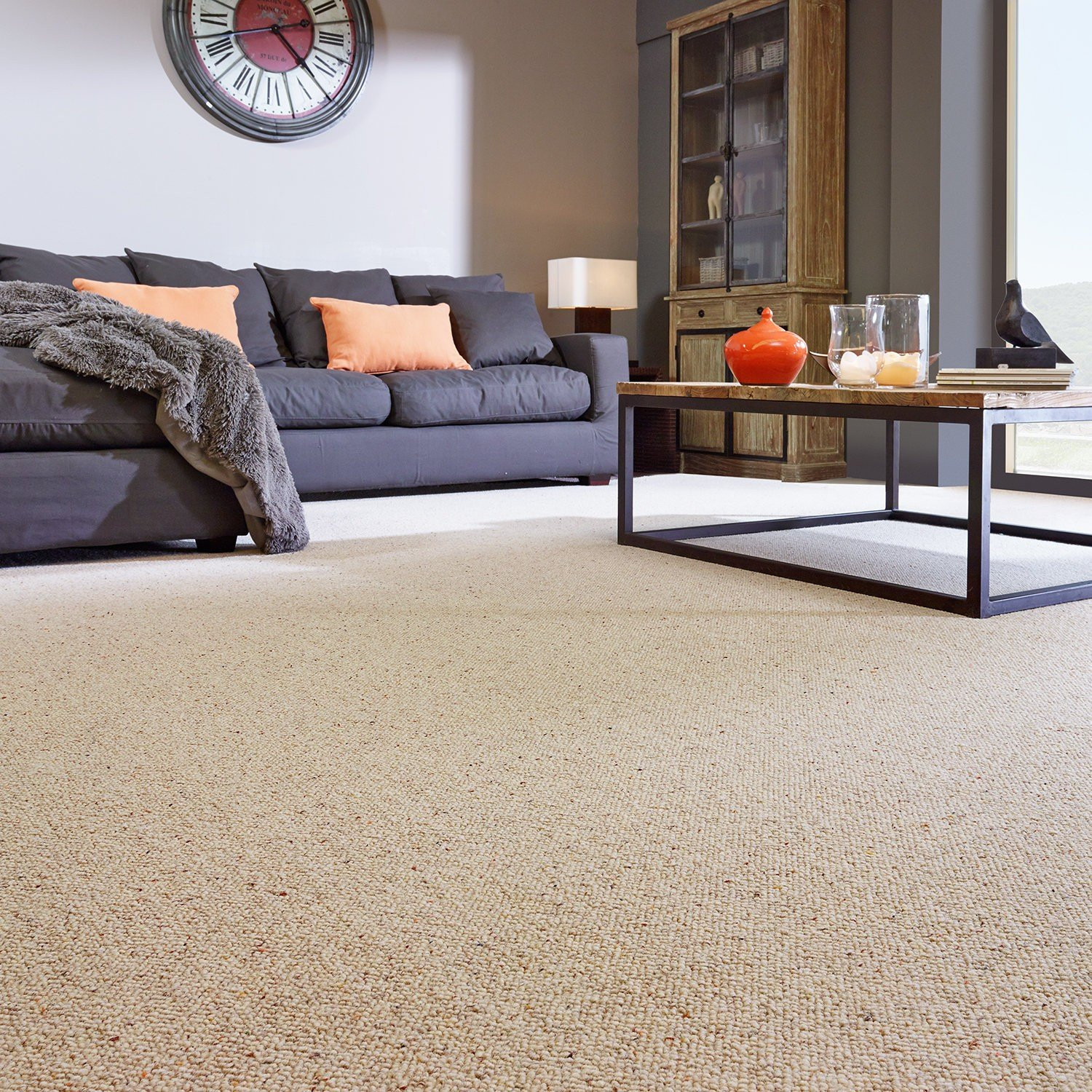
22 Captivating Living Room Carpet Ideas - Home Decoration and ...

Home Offices (Sound Absorption)

Carpet in home offices keeps noise down, helping focus. Low-pile carpets cut echo, great for open spaces. Patterns or darker colors add a professional feel and stand up to chair wear.

How to Choose the Perfect Modern Office Carpet for Your Home Workspace

Stairs and Hallways (Low-Pile Options)

For stairs and hallways, carpets need to be strong and safe. Low-pile, looped carpets like Berber are good for grip and don’t crush easily. Pick dense weaves in colors that hide dirt. Look at all of our carpet stairs options.
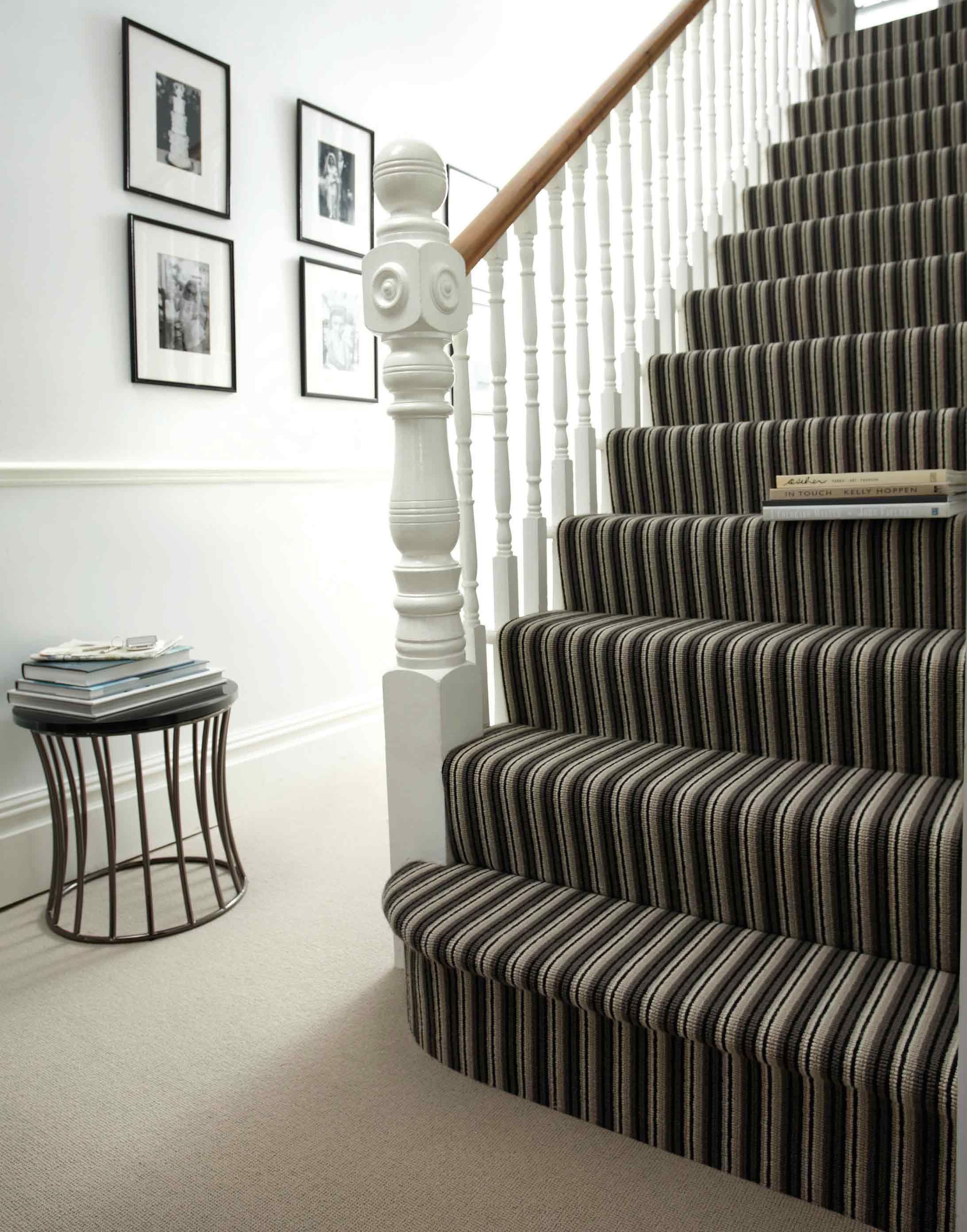
Best Carpet For Stairs And Hallway 2025 - FinetoShine

Rental Properties (Budget-Conscious Picks)

For rental properties, choose affordable and easy-to-clean carpets. Polyester or olefin in neutral colors are cost-effective and look nice. Use stain-resistant finishes and modular carpet tiles for easy swaps.

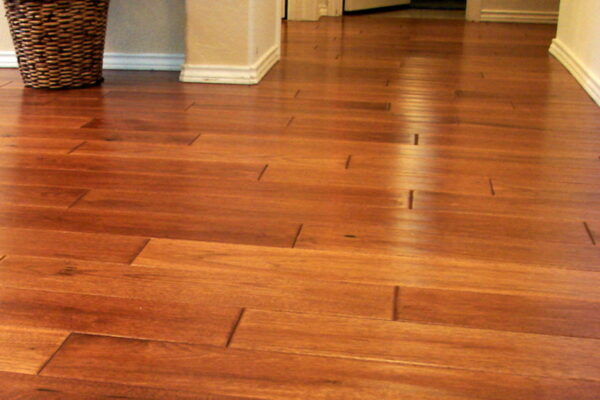
Rental Property Carpet : The Floor Store

Carpet Flooring Costs in 2025

Knowing the full cost of carpet flooring involves more than just the price per roll. Things like fiber type, pile height, padding, and installation method all impact the total cost. Here’s what to plan for in 2025.

Average Material Prices by Fiber and Style

Carpet costs change based on the fiber, pile type, and added features. Here’s a look at typical costs per square foot:

Carpet TypeAvg. Material Cost (per sq ft)Notes
Polyester$1.50 – $4.00Budget-friendly, soft, stain-resistant
Nylon$2.00 – $6.00Durable and good for busy areas
Triexta$3.00 – $6.00Great for kids and pets, eco-friendly
Wool$5.00 – $12.00Luxury natural fiber, lasts long
Olefin (Polypropylene)$1.00 – $3.00Best for low-traffic or wet areas

Installation Costs per Square Foot

Carpet installation usually costs $1.00 to $2.50 per square foot. More complex spaces like stairs may cost more.

Padding and Removal Costs

  • Padding: $0.50 – $1.00 per sq ft, depending on density and material

  • Old Carpet Removal: $0.50 – $1.00 per sq ft

  • Furniture Moving (optional): May add $1.00 – $2.00 per sq ft depending on service

Adding quality padding under your carpet can make it last longer and feel better.

Long-Term Value and Warranty Coverage

Synthetic carpets like polyester are cheaper but may not last as long as nylon or wool. Wool and high-quality synthetics usually have 10–25 year warranties, while cheaper options might have 5–10 years. Always check warranty details for stain resistance and other terms.

DIY Carpet Installation vs. Hiring a Pro

Putting in carpet yourself can save money if you have the right tools and skills. Many people find that hiring a professional gives better results with fewer errors and keeps the warranty safe. Think about this before starting.

👉 Need help? See our full DIY Carpet Installation Guide for tools, prep tips, and step-by-step instructions.

Tack Strip vs. Glue-Down Installations

Most home carpets use tack strips at the room’s edges. This lets the carpet stretch for a neat fit, ideal for plush home carpets.

Glue-down installation, often used in commercial spaces, sticks the carpet to the floor. It’s great for low-pile carpets in busy areas but harder for DIY projects.

Tools, Skill Level, and Prep Required

DIY carpet installation needs tools like a knee kicker, carpet stretcher, utility knife, and seam roller. Preparing the subfloor by cleaning, leveling, and adding padding is vital to avoid buckling and wear.

Cutting seams right and stretching carpet smoothly takes practice. It’s doable for a handy person in a small room, but complex setups might need a pro.

Common DIY Mistakes and Fixes

Some common DIY carpet mistakes include:

  • Not stretching the carpet properly, causing wrinkles or wear

  • Cutting too short around walls or doorways, leading to gaps

  • Skipping underlayment or using the wrong padding, which affects comfort and lifespan

  • Poor seam alignment, making transitions visible and unattractive

If you’re unsure, hiring a certified carpet installer can save time and ensure your warranty stays intact.

Top Considerations Before Choosing Carpet Flooring

Carpet flooring is soft, warm, and flexible in design. It’s important to think about more than just color or texture when choosing one. Here’s what to consider before you install it.

Comfort and Warmth

Carpet feels soft and helps keep rooms warm, making it great for bedrooms, living rooms, and basements. It also reduces noise, which is helpful in homes with more than one floor.

Stain Resistance

Homes with kids, pets, or a lot of activity need stain-resistant carpets. Choose fibers like nylon or triexta that have stain blockers to make cleaning easier and protect against spills and dirt.

Allergens and Air Quality

Newer carpets often have hypoallergenic and antimicrobial features. With a good vacuum and regular cleaning, you can keep the air inside healthier.

Durability

Some carpets handle wear better than others. Dense, low-pile carpets like Berber are good for busy areas, while plush styles are better for quieter spaces. Choose a carpet that fits how you use the room.

Design and Color

Carpet affects how a room looks. Think about how its color and texture will match your furniture and walls. Neutral colors are versatile, while bold colors or patterns can stand out.