Engineered vs. Solid Hardwood: Which One Is Right for You? (Quick Overview)
Picking between engineered and solid hardwood floors depends on how you use your space and what you need from your floors. Both show the natural beauty of wood, but they act differently in everyday situations, which affects what fits best in your home.
Simple Differences
Solid hardwood is one piece of wood, making it very durable, while engineered hardwood has layers with wood on top, making it better with moisture and temperature changes. Solid hardwood is known for lasting long, while engineered is known for being versatile.
Best Use for Each
Solid hardwood is good for living rooms and bedrooms where moisture is not a worry and you want long-term value. Engineered hardwood is more flexible and can go in basements and places with changing humidity. For tricky conditions, engineered is usually more practical.
Quick Guide for Homeowners
If you want floors that last a long time and can be refinished, solid hardwood is a good choice. If you need something more adaptable and better for damp areas, engineered hardwood is often better. The decision depends on where the floor will be and how flexible you need it to be.
Quick Comparison: Engineered vs Solid Hardwood Flooring
| Feature | Engineered Hardwood | Solid Hardwood |
|---|---|---|
| Construction | Multi-layer core with real wood top layer | 100% solid wood throughout |
| Moisture Resistance | Excellent (handles humidity & spills better) | Low (prone to warping & expansion) |
| Installation Options | Glue-down, floating, or nail-down | Primarily nail-down only |
| Subfloor Compatibility | Works over concrete & plywood | Best for plywood subfloors only |
| Refinishing Ability | Limited (depends on wear layer) | Can be refinished multiple times |
| Durability | High (stable under changing conditions) | Very high (long lifespan if maintained) |
| Best Locations | Basements, kitchens, condos | Living rooms, bedrooms, main floors |
| Cost (Material) | Moderate | Higher upfront cost |
| Lifespan | 20–40 years (depending on quality) | 50+ years with refinishing |
| Stability | Very stable (less expansion/contraction) | Expands & contracts with humidity |
| DIY-Friendly | Yes (floating options available) | Less DIY-friendly |
What This Means for You
If you need floors that are flexible, resist moisture, and are easy to install, engineered hardwood is a good choice. If you want floors that last a long time and can be refinished, solid hardwood is ideal. The right choice depends on your home’s needs and how long you plan to stay.

What Is Solid Hardwood Flooring? (Pros, Cons & Best Use Cases
Solid hardwood floors are a classic choice that many people think of for quality and value. Made from one piece of real wood, it looks authentic and can last a long time if taken care of properly. How well it works depends on where and how you install it.
How Solid Hardwood Is Made
Solid hardwood planks come from a single piece of wood, usually ¾ inch thick. This gives each plank strength and a solid structure. Since it’s real wood all the way through, it can be sanded and made to look new again many times, keeping it strong for years.
Key Advantages: Longevity & Refinishing Potential
Solid hardwood can last 50 years or more with good care, making it a smart long-term choice. You can refinish it several times to fix scratches and wear, giving it a fresh look without replacing it.
Limitations: Moisture Sensitivity & Expansion
Even though it’s durable, solid hardwood reacts to moisture and humidity changes. It expands and contracts with the seasons, which can cause warping or gaps if not managed well. It’s not ideal for places with a lot of moisture or changing conditions.
Best Rooms and Environments for Solid Hardwood
Solid hardwood works best in stable areas like living rooms, dining rooms, and bedrooms. These places usually have steady temperature and humidity, helping the wood keep its shape and quality. In these spots, solid hardwood offers timeless beauty and lasting value.
What Is Engineered Hardwood Flooring? (Pros, Cons & Best Use Cases)
Engineered hardwood floors look like real wood but are more stable and versatile. They have a natural wood top, but their layered build helps them work better where regular wood might not.
How Engineered Hardwood Is Made
Engineered hardwood has several layers. The top is real hardwood, and the core is plywood or fiberboard layered in different directions. This makes it stronger and less likely to move like solid wood.
Why It’s Better with Moisture and Humidity
Its build makes engineered hardwood more resistant to moisture and temperature changes. It doesn’t expand and contract like solid wood, so it’s stable in areas with changing humidity, allowing it to be used where solid wood isn’t usually recommended.
Durability & Wear Layer
The durability of engineered hardwood depends on the thickness of its top layer. A thicker layer can take more wear and some light refinishing. While it might not last as long as solid wood for refinishing, good quality engineered flooring is durable for daily use in busy homes.
Best Places for Engineered Hardwood
Engineered hardwood is great for areas with moisture or subfloor concerns, like basements, kitchens, condos, and homes with concrete floors. Its flexibility and resistance to environmental changes make it a practical choice for modern homes.

Engineered vs Solid Hardwood: Key Differences That Matter
Engineered and solid hardwood might look the same, but they perform differently based on your home’s needs. Knowing these differences helps you choose the right flooring for your lifestyle.
Structure & Construction
The main difference is in the build. Solid hardwood is one piece of wood, while engineered hardwood has layers for better stability.
Moisture Resistance & Stability
Engineered hardwood handles moisture and temperature changes better, making it more reliable. Solid hardwood expands and contracts more.
Refinishing & Lifespan
Solid hardwood can be refinished many times, lasting longer. Engineered hardwood has limits based on its wear layer.
Installation Flexibility & Cost
Engineered hardwood offers more installation choices and fits more home areas. Solid hardwood needs specific conditions and can cost more upfront.
Quick Comparison: Key Differences
| Feature | Engineered Hardwood | Solid Hardwood |
|---|---|---|
| Construction | Multi-layer core | Solid wood throughout |
| Moisture Resistance | High | Low |
| Stability | Very stable | Expands & contracts |
| Refinishing | Limited (depends on wear layer) | Multiple times |
| Lifespan | 20–40 years | 50+ years |
| Installation Options | Glue, float, nail | Nail-down mostly |
| Cost | Moderate | Higher upfront |
| Best For | Basements, kitchens, condos | Living areas, bedrooms |
What This Means for You
If your home has moisture or changes, engineered hardwood is safer and more flexible. For long-lasting value, solid hardwood is a premium choice.

Durability & Moisture Performance: Which Hardwood Flooring Holds Up Better Over Time?
When choosing between engineered and solid hardwood, two main factors matter: how well the floor handles daily use and how it copes with moisture and weather changes. These aspects affect how your floors look and function over time.
Scratch, Dent & Wear Resistance
Both types are strong, but their durability depends on their surroundings. Solid hardwood is tough and long-lasting but can get scratched and dented in homes with kids and pets. Engineered hardwood, though thinner, often does better in busy homes due to its stable layered design.
Busy Homes with Kids & Pets
In busy areas, engineered hardwood usually stays in good shape because it resists shifting. Solid hardwood can also work well but may wear out faster unless well maintained.
Moisture, Humidity & Weather Changes
This is a key difference. Engineered hardwood handles humidity, spills, and temperature changes with little expansion or contraction. Solid hardwood reacts more to moisture, which can cause warping or gaps if conditions vary.
Best Choice by Environment
For places like basements, kitchens, or coastal homes, engineered hardwood is generally safer. Solid hardwood is ideal for dry, controlled areas where moisture isn’t an issue.
What This Means for You
If your home has steady conditions and you want floors to last a long time, solid hardwood is a good choice. But if you need floors for real-life situations like kids, pets, and spills, engineered hardwood often works better day-to-day.
Installation Differences: What Homeowners Need to Know
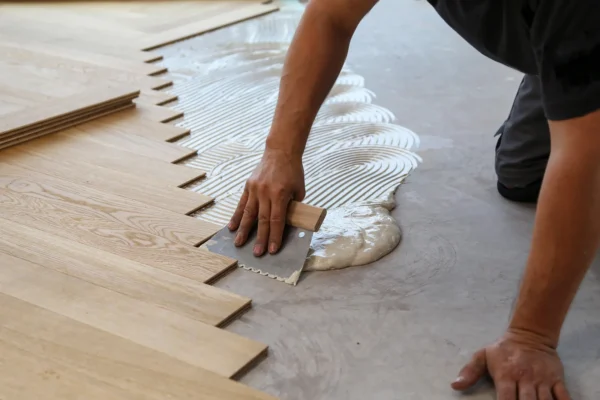
Installation affects where and how floors can be used. Engineered hardwood is more flexible, while solid hardwood needs specific conditions and skills.
Quick Installation Breakdown
| Topic | Engineered Hardwood | Solid Hardwood |
|---|---|---|
| Installation Methods | Glue-down, floating, or nail-down | Primarily nail-down |
| Subfloor Requirements | Works on plywood & concrete | Requires plywood subfloor |
| Installation Time | Faster, more efficient | Slower, more labor-intensive |
| DIY vs Professional | More DIY-friendly | Best installed by professionals |
What This Means for You
If you want easy and quick installation, engineered hardwood is often better. For a classic, lasting choice with the right setup, solid hardwood is a good option.

Cost Breakdown: Engineered vs Solid Hardwood
When you choose between engineered and solid hardwood, you need to think about more than just the material cost. Installation, upkeep, and how long it lasts all affect what you’ll pay in the long run.
Material vs Installation Costs
Engineered hardwood is usually cheaper upfront, both for materials and installation. It’s quicker and cheaper to install. Solid hardwood costs more at first and takes more work to put in, raising the overall cost.
Budget vs Premium Options
You can find both types at different prices. Engineered hardwood is more affordable for entry-level options, while solid hardwood is often in the mid-to-high price range because it’s thicker and lasts longer. Top-end types of both can cost similar, depending on the wood and finish.
Cost vs Lifespan (Long-Term Value)
Solid hardwood can last many years and can be refinished several times, making it a good long-term choice. Engineered hardwood is durable too, but its lifespan depends on the wear layer’s thickness. It may not last as long as solid wood, but it’s often a better choice where moisture or installation limits are an issue.
Quick Price Comparison (What You Can Expect)
| Cost Factor | Engineered Hardwood | Solid Hardwood |
|---|---|---|
| Material Cost (per sq ft) | $3 – $10 | $5 – $15+ |
| Installation Cost | $3 – $6 | $5 – $10 |
| Total Installed Cost | $6 – $16 | $10 – $25+ |
| Refinishing Potential | Limited (depends on wear layer) | Multiple times (long lifespan) |
| Long-Term Value | Great for most homes & budgets | Best for maximum lifespan |
What This Means for You
If you want something budget-friendly and flexible, engineered hardwood is a good choice with lower starting costs. If you care about a long-term investment and refinishing over the years, solid hardwood is worth the higher beginning price.

Maintenance & Lifespan: What to Expect Long-Term
When picking between engineered and solid hardwood, think about care and how long they last. Both are easy to clean daily, but their durability is quite different.
Cleaning & Everyday Upkeep
Both types need regular sweeping or vacuuming and a damp mop with safe products. They don’t like too much water, so clean spills quickly to avoid damage.
Refinishing Potential (Key Difference)
The main difference is in refinishing. Solid hardwood can be sanded and refinished many times to look new. Engineered hardwood can sometimes be refinished if it has a thick enough layer, but not as often.
Lifespan Expectations
Solid hardwood can last 30–100+ years with proper care, making it a long-term choice. Engineered hardwood usually lasts 20–40 years, based on quality and use. Thicker, high-quality engineered options last longer.
When Replacement Becomes Necessary
Engineered hardwood might need replacing when the layer is too thin to refinish or very worn. Solid hardwood can often be restored, enhancing its long-lasting value.

Final Verdict: Engineered vs Solid Hardwood — Which Should You Choose?
Picking between engineered and solid hardwood depends on how your home is used daily. Both types are beautiful, but the best one for you depends on your home’s conditions, your budget, and your future plans.
Easy Guide for Your Lifestyle
If your home has changing humidity, a concrete base, or busy areas with kids and pets, engineered hardwood is often a better choice. If your home is stable and you want a floor that lasts many years, solid hardwood is a good investment.
Why Choose Engineered Hardwood
Engineered hardwood is great for modern homes, especially in basements, kitchens, condos, or places with moisture and temperature changes. It is flexible, easier to install, and works well in many conditions.
Why Solid Hardwood Is Valuable
Solid hardwood is best for those who want long-lasting value. It can be refinished many times, making it a floor that lasts for decades, ideal for living and dining rooms.
Main Points for Making a Choice
There isn’t one perfect answer — choose what fits your lifestyle. Engineered hardwood is versatile and easy, while solid hardwood lasts long and looks timeless. Picking the right one ensures your floors look and work great.
Need Help Choosing Between Engineered and Solid Hardwood?
Understanding the differences in flooring — like installation, cost, and durability — helps you choose better. With so many wood types, finishes, and sizes, it can be hard to pick what fits your home best.
That’s where we can help. Our flooring experts compare options like engineered and solid hardwood based on your space, lifestyle, and budget — ensuring you get a floor that fits your needs.
We offer personalized product suggestions, moisture checks, and professional installation. Whether you like the flexibility of engineered hardwood or the lasting strength of solid wood, we’ll help you decide with ease.
Click here to schedule your free in-home consultation and move toward a floor that lasts.