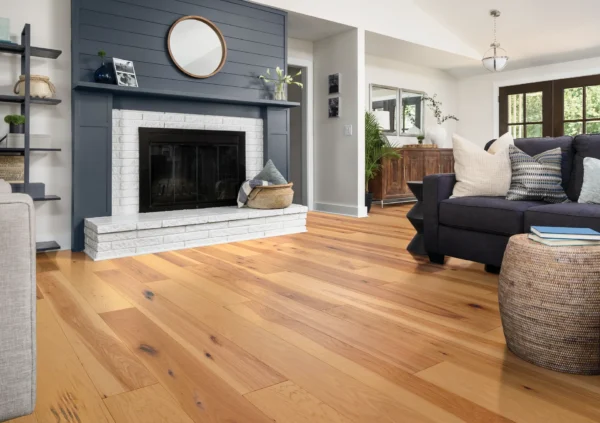
Close-up of beautiful hardwood floor beneath a dining table

The 7 Hardwood Flooring Trends for 2025

Hardwood floors bring a classic look with new styles. In 2025, natural finishes and bold patterns are popular. Here are the top hardwood trends for homes this year:

1. Natural Matte Finishes

Matte finishes are trendy now. Homeowners choose low-shine, natural oil finishes that show the wood’s real beauty and are modern and simple. These finishes hide small scratches and dust, making them stylish and useful.

Click here for White oak flooring with a velvety soft matte oil rubbed ...

2. Wide and Extra-Long Planks

Wide and long planks are in demand for 2025. They make rooms look bigger and show the wood’s natural look. This style gives a clean, luxury feel, great for open spaces.

8

3. Dark Walnut and Warm Neutral Tones

Dark colors like walnut and brown are back, along with warm neutrals like honey and beige. These colors make a cozy, refined space and match today’s simple and rustic style trends.
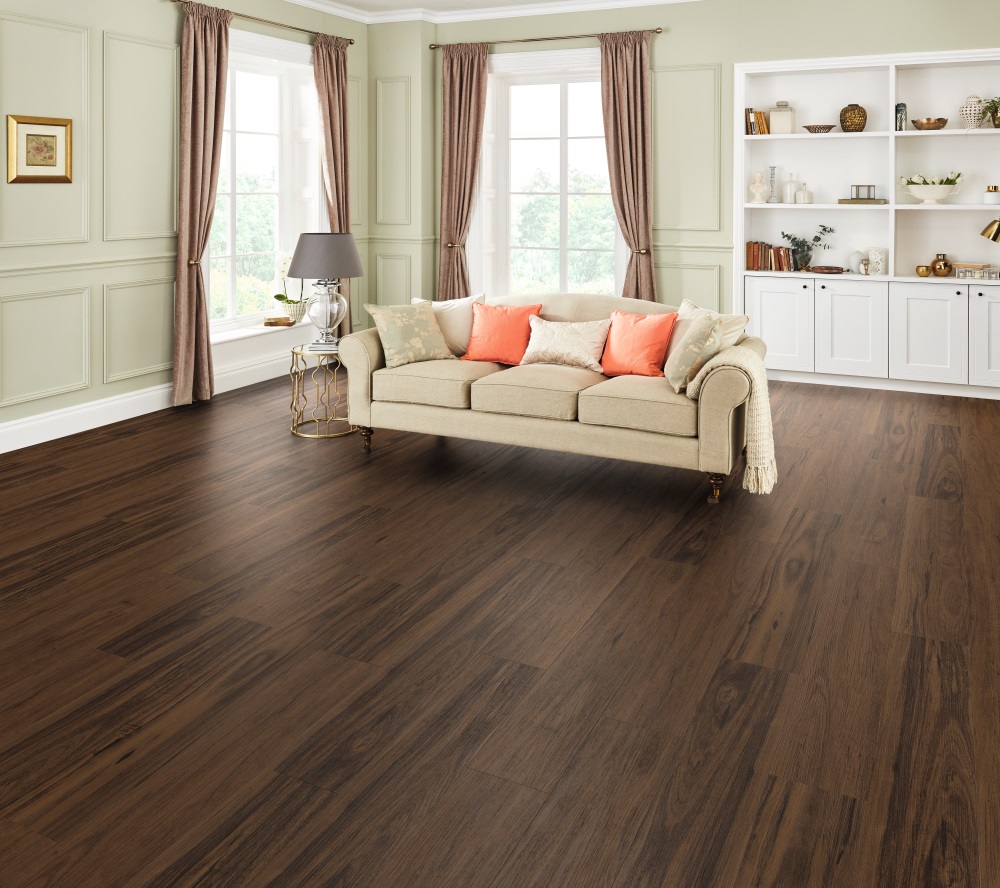
21 Best Dark Walnut Hardwood Floors

4. Wire-Brushed and Textured Surfaces

Textured surfaces like wire-brushed and hand-scraped are popular, adding depth and character. These textures add interest and hide wear, perfect for busy homes.
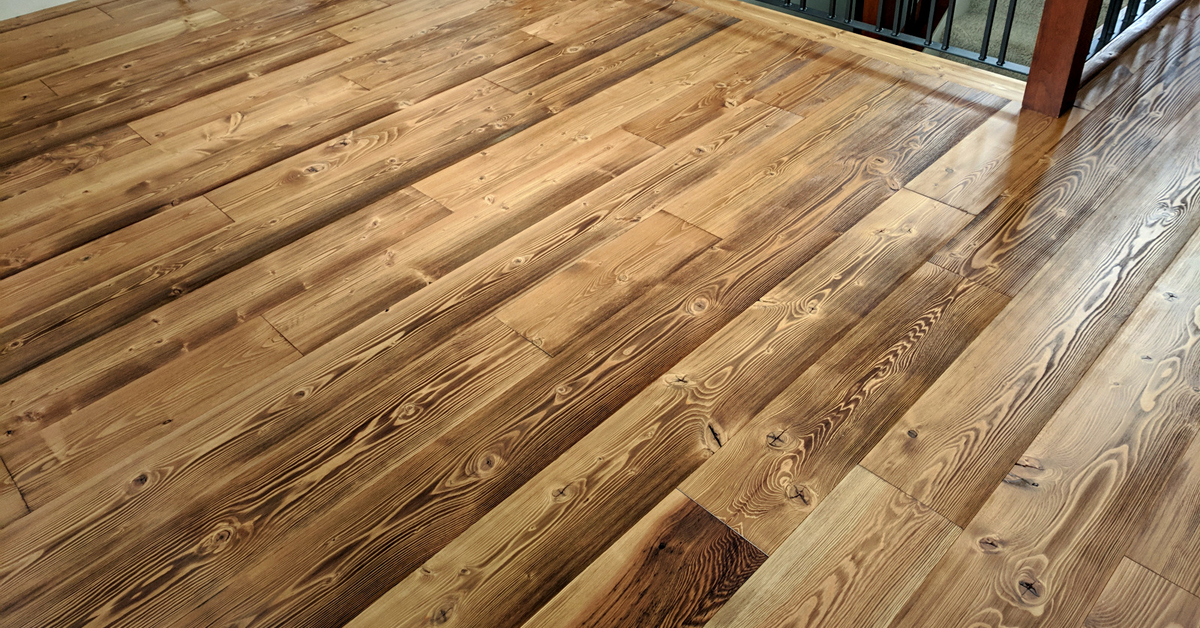
What is Wire-Brushed Hardwood Flooring + Its Pros & Cons

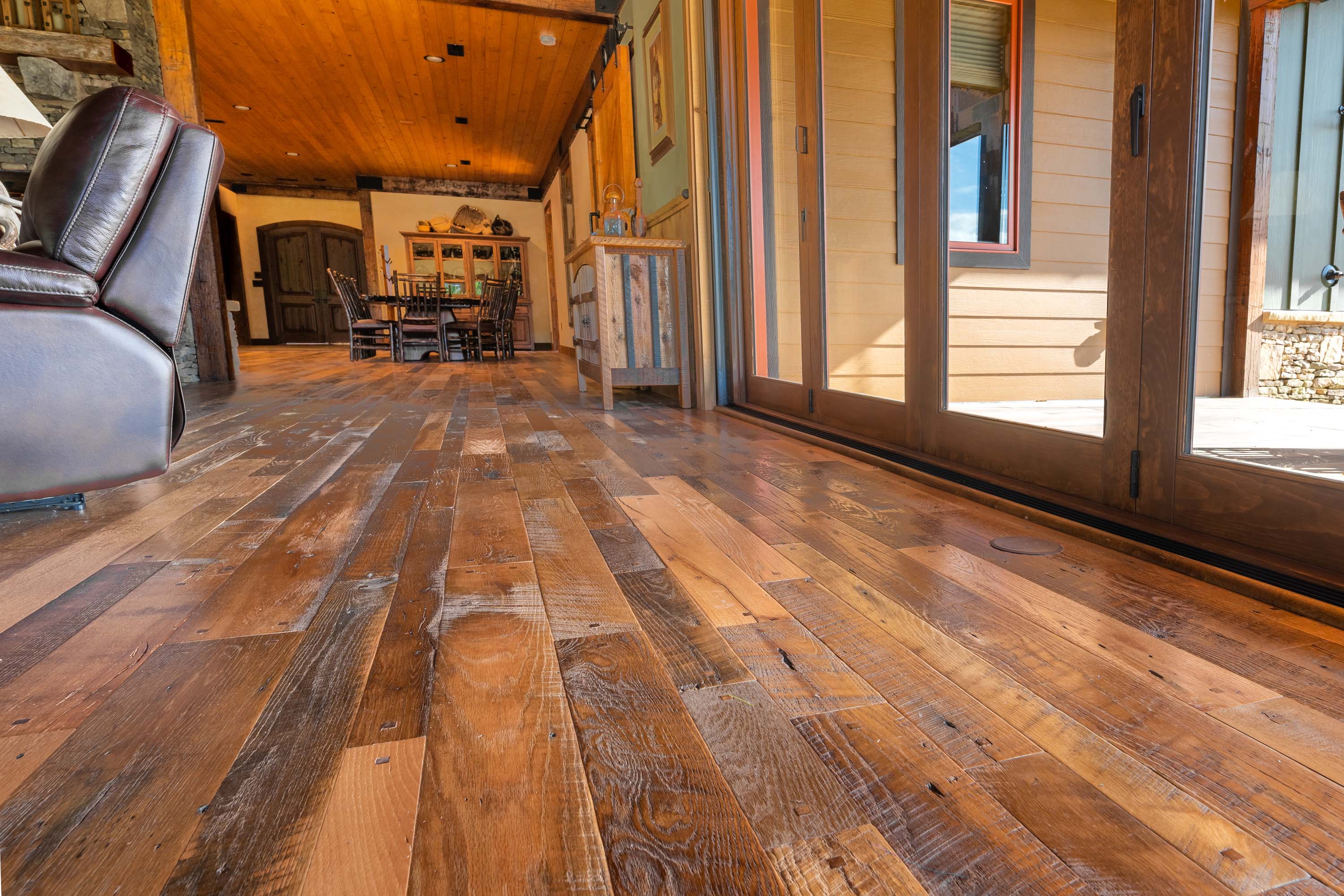
5. Sustainable and Reclaimed Wood

Eco-friendly floors are on the rise, with more people choosing FSC-certified and reclaimed wood. These floors have unique imperfections and a rustic charm, supporting responsible forestry.
Eco-Friendly Wood Flooring Options: Sustainable & Stylish Choices

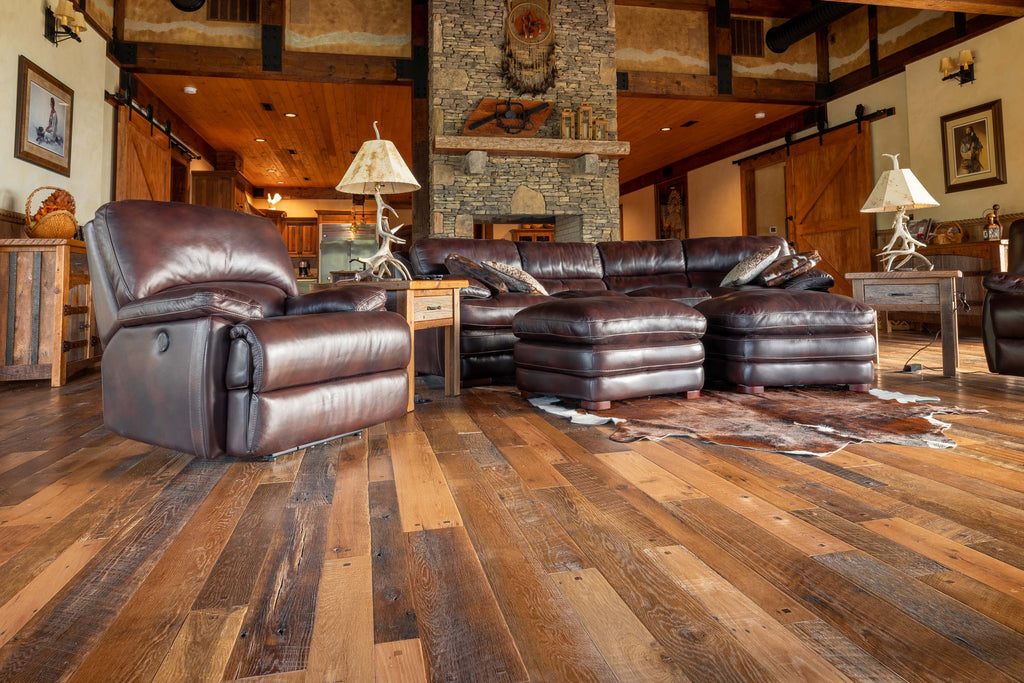
6. Mixed-Width Installations

Mixing plank widths in one floor adds a custom look. This style breaks monotony and adds subtle movement, ideal for modern or eclectic designs.
A Timeless Classic: Exploring Hardwood Flooring | Factory Flooring Liquidators

7. Parquet and Herringbone Layouts

Classic layouts like herringbone and chevron are back. These patterns add sophistication to entryways, dining rooms, and bedrooms, combining classic and modern styles.

Parquet Flooring - Wood Flooring Samples Available – The Solid Wood ...

Hardwood Colors, Grains & Finishes to Watch

In 2025, hardwood floors show off nature’s beauty with a touch of class. They use real colors, soft finishes, and unique wood features to give rooms character and depth.

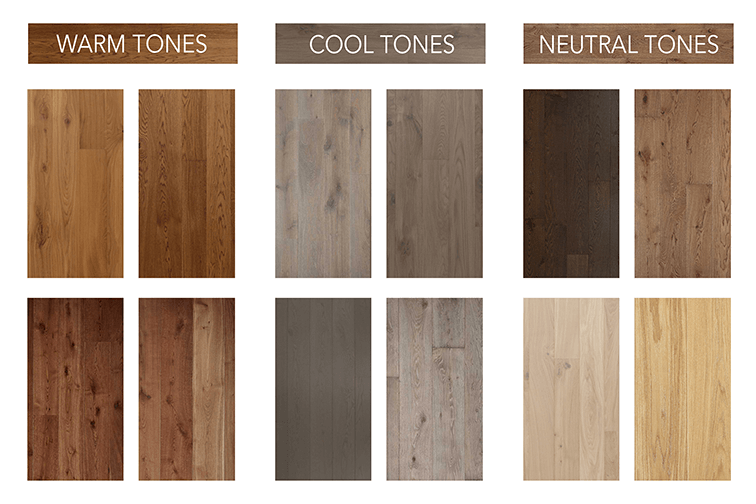
Cool vs. Warm Tones

People are choosing warm, earthy colors like honey and chestnut over cool grays. These shades make a home feel cozy and welcoming, fitting well with natural design trends.
Elite Hardwood Flooring - Wood Tones

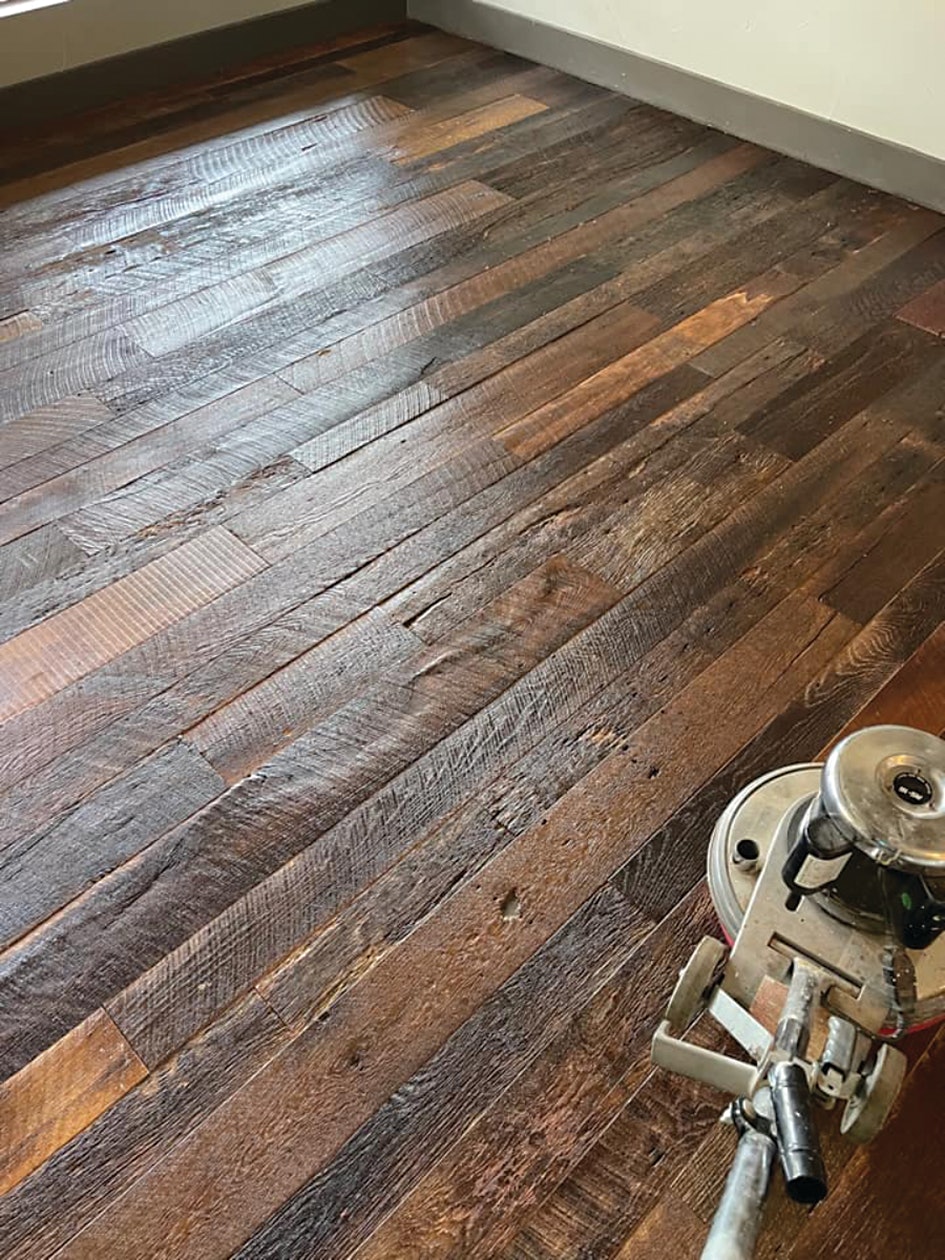
Low-Gloss, Natural Oil Finishes

Low-gloss finishes are popular because they show the wood’s natural grain and give a modern, simple look. Natural oil finishes make the wood strong and give it a soft, matte look that’s both stylish and useful.
Tips For Success When Using Natural Oil Finishes | Wood Floor Business

Unique Wood Species and Character Marks

There’s a growing love for wood with special grain patterns and natural marks. Hickory, for example, has colors from light tan to dark brown, adding charm and a rustic feel to any room.
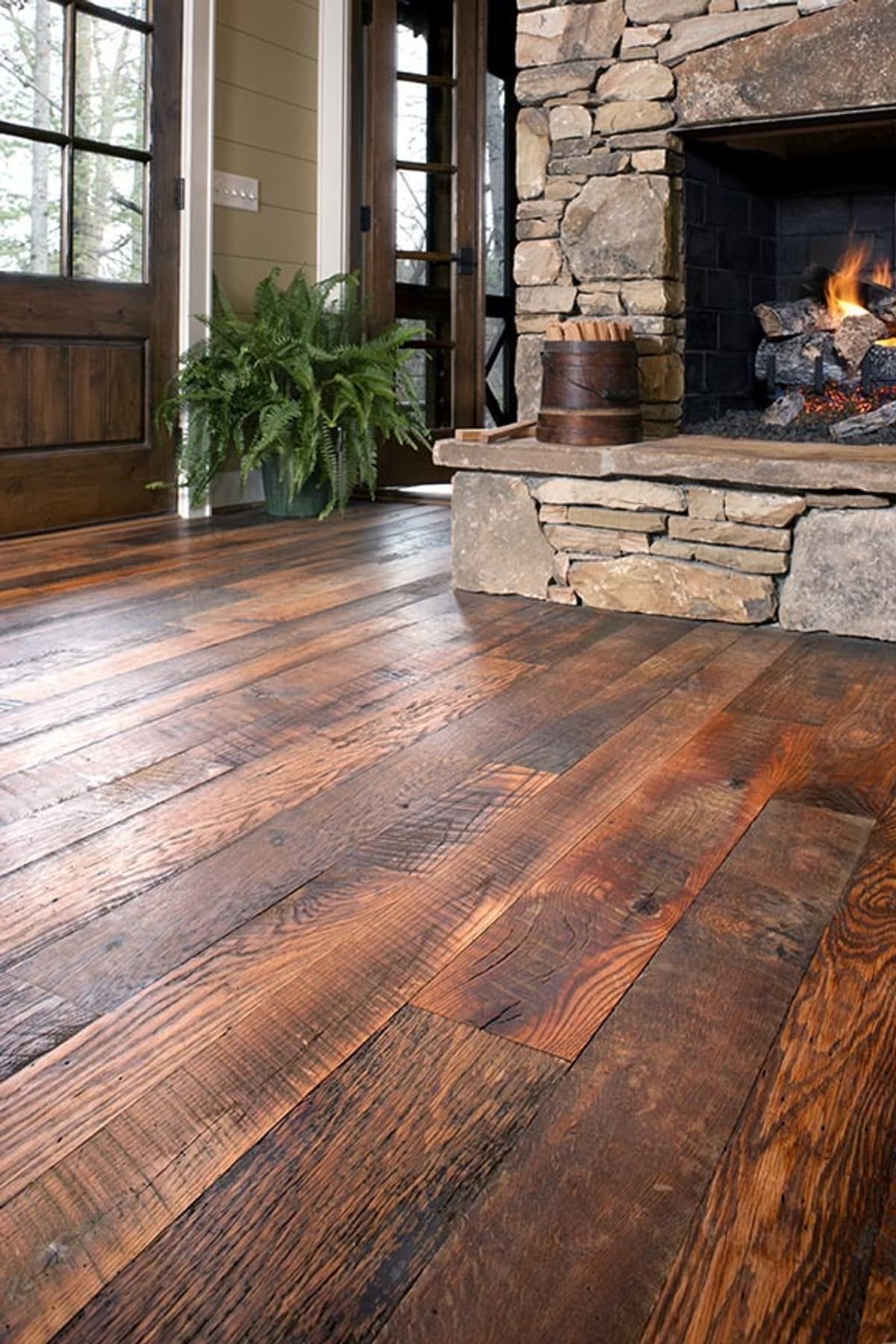
Reclaimed Wood Flooring and Barn Wood… | Whole Log Reclaimed NC

Best Hardwood Types by Room (Solid vs. Engineered)

Picking between solid and engineered hardwood depends on where you place it and home conditions like moisture, subfloor, and foot traffic. Here’s how to choose the right hardwood for each room.

Kitchens and Basements: Is Engineered Wood Safer?

Engineered hardwood is great for areas with moisture like kitchens and basements. Its layers make it resist warping and swelling better than solid wood. Look for waterproof or water-resistant options to handle spills and minor flooding.

📌 Bonus Tip: Choose click-lock floating floors for basements with concrete subfloors — no nails or glue needed.

Bedrooms and Living Rooms: Where Solid Wood Shines

In dry places like bedrooms and living rooms, solid hardwood is a classic choice. Its thick layer allows sanding and refinishing for long-term use. Solid planks have a deep grain and natural look that’s premium.

Humidity and Temperature Fluctuations

For areas with big weather changes, engineered hardwood is more stable. It expands and contracts less than solid wood, perfect for spaces near large windows, entryways, or rooms with radiant heat.

Quick Comparison Table: Solid vs. Engineered Hardwood by Room

RoomRecommended TypeWhy?
KitchenEngineeredBetter moisture resistance; more stable on subfloors
BasementEngineered (floating)Handles humidity; easy to install on concrete
BedroomSolid or EngineeredBoth work well; solid allows for more refinishing
Living RoomSolid or EngineeredSolid offers prestige; engineered gives layout flexibility
Entryway or MudroomEngineeredWithstands temperature swings and wet shoes

Why Homeowners Are Choosing Hardwood in 2025

Hardwood flooring is very popular in 2025, and it’s not just about looks. People want floors that last, are eco-friendly, and feel natural. Here’s why more people choose hardwood.

Eco-Conscious Sourcing

More people care about the environment, and it shows in their flooring choices. They prefer FSC-certified wood, reclaimed planks, and finishes that are better for indoor air. These options are good for the earth and your home.
👉 Learn more about FSC-certified hardwood

Timeless Resale Value

Hardwood is a great investment for your home. Unlike trendy surfaces that might go out of style, real wood is always in demand. It increases home value and helps sell homes faster and for more money.

Comfortable Underfoot Feel

Hardwood feels nice to walk on. It’s warmer and softer than tile or stone, especially with area rugs. Engineered hardwood works well with radiant heating, making it cozy in cold weather.

Customization and Luxury Perception

With many choices in wood types, finishes, and designs, hardwood is very customizable. Whether you want a rustic look or a modern style, hardwood adds a high-end feel to any room.

Hardwood Flooring Cost Breakdown (2025 Estimates)

Getting hardwood flooring involves more than just buying materials — installation, type of wood, and care affect the total cost. Here’s a 2025 breakdown.

Cost by Wood Type per Square Foot

Each wood type has its own price because of things like how hard it is to find, how strong it is, and how it looks. Here are the material costs:

Wood TypeCost (per sq ft)Details
Red/White Oak$5 – $8Strong, easy to find, classic
Maple$6 – $10Smooth, modern look
Hickory$7 – $11Rustic, varied colors
Walnut$10 – $15Dark, luxury feel
Reclaimed Wood$10 – $18Eco-friendly, unique
Exotic (Teak, Cherry)$12 – $20Very strong, high-end

👉 Want a full price chart with pros and cons? See our Hardwood Flooring Cost Guide

Installation: Nail-Down vs. Floating vs. Glue

Labor costs change based on installation type. Here’s a simple look:

Install TypeLabor Cost (per sq ft)Best For
Nail-Down$4 – $8Solid wood, lasts long
Floating (Click-Lock)$3 – $6Easy for DIY, on concrete
Glue-Down$4 – $7Best for moist areas

Extra costs might come up for underlayment, old floor removal, or prepping the floor.

Value Over Time and Refinishing

Hardwood adds long-term value. Solid wood can be sanded and refinished several times, lasting decades. Engineered wood with a thick top layer can often be refinished once, balancing cost and performance.

DIY vs. Professional Hardwood Installation: What to Know

Putting in hardwood floors can be fun or costly if you make mistakes. Deciding if you should do it yourself or hire someone depends on the type of floor, your tools, and the condition of your subfloor. Here’s what to think about before you choose.

DIY or Hire a Professional?

Doing it yourself is easiest with engineered click-lock planks. They float on top and don’t need nails or glue, making them great for handy people. Solid hardwood needs careful cutting, nailing, and finishing — experienced installers are best for uneven floors or big areas.

👉 New to flooring? Check out our Hardwood Flooring DIY Guide for steps and prep lists.

Tools, Skill, and Subfloor Preparation

Ask yourself these questions first:

  • Do you have or will you rent a flooring nailer, moisture meter, and saws?

  • Is your subfloor level, dry, and strong?

  • Can you measure, cut, and lay precise patterns?

Getting the subfloor ready is key — especially for methods needing smooth, clean, and dry conditions.

When Floating Engineered Planks Work

Floating engineered wood floors are good for:

  • Basements and concrete slabs (no nails needed)

  • Homes with multiple levels needing noise control

  • Quick upgrades with few tools

These floors fit together like puzzle pieces and “float” over an underlayment, perfect for a weekend project by DIYers with some experience.

Mistakes to Avoid with Solid Wood

Solid hardwood is trickier. Common mistakes include:

  • Not letting planks adjust before installation (can warp)

  • Skipping moisture testing on subfloors

  • Nailing too close to edges, causing splits

  • Not leaving gaps for expansion around the edges

If you’re unsure, hiring a professional can protect your floor and warranty.

Final Considerations Before Choosing Hardwood Flooring

Before choosing hardwood floors, think about what you need. The best choice looks good, works well, and lasts long. Consider your space, lifestyle, and design ideas. Here are key things to think about before deciding.

Solid vs. Engineered Hardwood

Solid hardwood flooring is very authentic and can be refinished many times, making it great for long-term homes. Engineered hardwood is easier to install and better with moisture. Choose based on your floor plan and future plans.

Moisture Tolerance and Room Suitability

Hardwood isn’t for every room. Engineered hardwood works well in moist areas like kitchens and basements. Solid hardwood is best for dry places like bedrooms. Check humidity and water exposure before choosing.

Scratches, Dents, and Wear Resistance

For homes with pets, kids, or lots of activity, choose harder woods like hickory or maple. Softer woods might dent more. Finishes like wire-brushed can hide wear.

For areas like staircases, check out our hardwood stairs options for style and durability.

Refinishing Potential and Long-Term Value

Solid hardwood lasts long as it can be sanded and refinished often. This keeps it looking new. If you’re staying in your home, refinishing can save money over time.

Design Harmony with Walls, Furniture, and Lighting

Hardwood affects your home’s look. Match wood tones with your walls, furniture, and light. Cool tones fit modern styles, warm woods work for rustic looks.

Want more help? Check our hardwood flooring choices to find the best style for you.

Need Help Choosing or Installing Your Hardwood Flooring?

Now that you’ve seen the top hardwood flooring trends for 2025 — including wood types, finishes, layout ideas, and costs — you’re closer to adding the beauty of real wood floors to your space. If you’d like to avoid the hard work, we can help.

Our skilled team takes care of everything — from on-site moisture checks and layout planning to the expert installation of solid and engineered hardwood and hardwood stairs.

We’ll help you pick the right hardwood style and format to match your home’s lighting and color scheme — whether it’s for a cozy bedroom, busy entryway, or a large living area.

Click here to contact us today to schedule your free in-home consultation and see if we serve your area!